
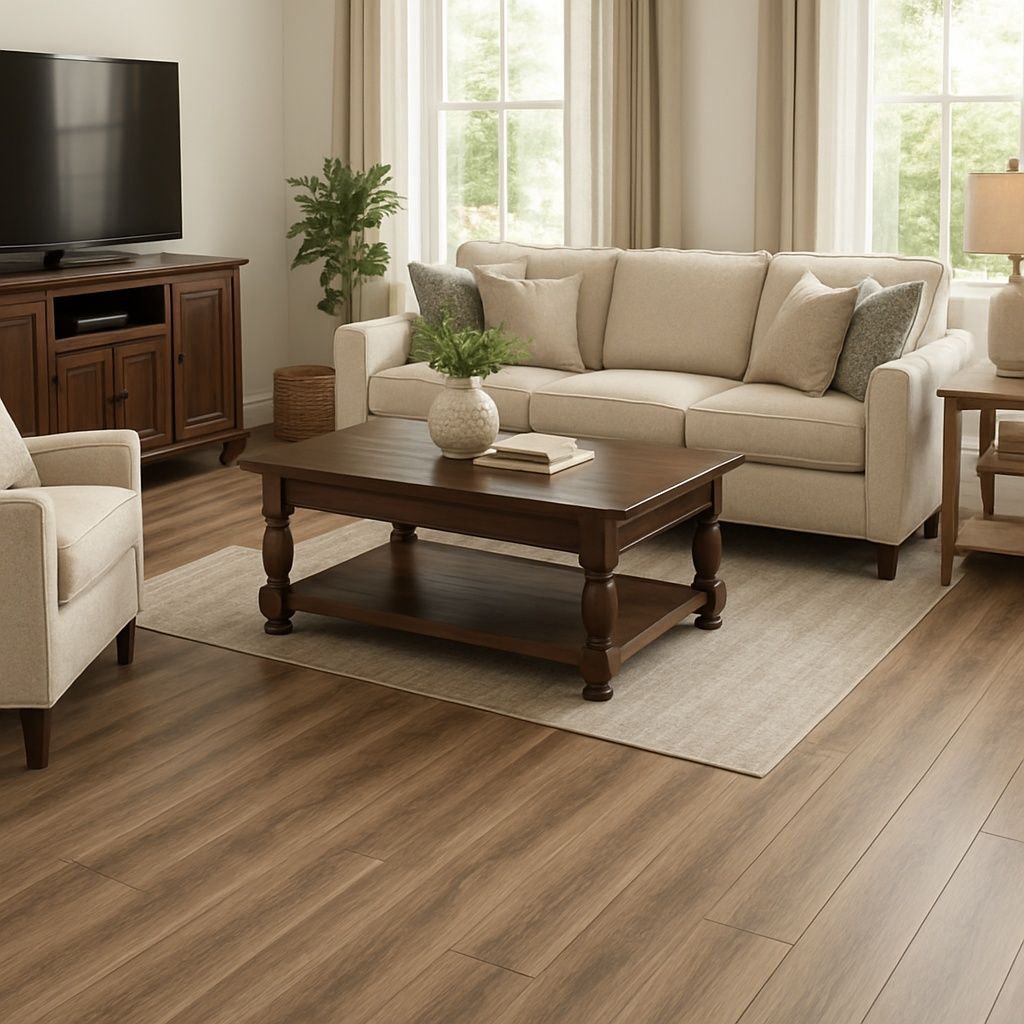
Updated Vinyl Plank Without Starting Over
LVP Replacement in Charlotte for Outdated or Damaged Luxury Vinyl Plank Flooring
Luxury vinyl plank flooring that has been in place for years can develop surface wear, discoloration from sunlight exposure, or visible damage from impacts or water infiltration that wasn't addressed promptly. Replacement involves removing the existing LVP down to the subfloor, evaluating and preparing that surface, and installing new LVP with updated colors, textures, and wear layer thicknesses that reflect current product improvements. JB Roza Flooring handles the complete replacement process in Charlotte, addressing both the removal of old material and the installation of new planks that refresh the room's appearance and restore the floor's functional surface.
The subfloor condition determines whether additional preparation is needed before new LVP can be installed, and issues like uneven concrete or moisture-damaged plywood are corrected during this phase. New LVP options include a wider range of wood-look finishes, realistic textures, and improved wear layers compared to products from even five years ago, and the selection process involves choosing plank width, color tone, and surface texture that fit your current design preferences rather than replicating what was there before.
Request a floor assessment to evaluate your current LVP condition and review replacement material options..
What Changes After LVP Is Replaced
The removal process exposes the subfloor and allows inspection for issues that may have developed beneath the old flooring, such as moisture intrusion, subfloor degradation, or fasteners that have worked loose over time. Once the subfloor is confirmed flat and dry, the new LVP is installed with attention to plank layout, expansion gaps along walls, and proper locking of the tongue-and-groove edges. Modern LVP products include better locking mechanisms than earlier versions, which reduces the likelihood of planks separating at seams during temperature fluctuations common in Charlotte's seasonal climate shifts.
After installation is complete, the floor has a uniform appearance without the scratches, dents, or faded areas that accumulated on the old material. The new wear layer resists surface abrasion more effectively than older products, and the updated colors eliminate the yellowing or discoloration that develops when early-generation vinyl is exposed to direct sunlight. Baseboards are reinstalled or replaced to cover the expansion gap, and transitions at doorways are fitted to match the new floor height.
The replacement process does not include moving furniture or disposing of the old flooring unless those services are specifically arranged in advance. Preparation involves clearing the room of all items that would obstruct access to the floor, and the timeline depends on room size and whether subfloor repairs are needed before new material can be installed.
Common Questions About This Service
Replacing existing LVP involves decisions about material selection and preparation requirements, and understanding what the process entails helps you plan for the work and set expectations for the finished floor.
Why replace LVP instead of repairing damaged planks?
Individual plank replacement is possible if the damage is isolated, but when multiple areas show wear or the entire floor has discolored, full replacement produces a uniform appearance and allows you to update to newer products with better wear resistance and more current styling.
How is the subfloor prepared after old LVP is removed?
The surface is inspected for levelness, moisture, and structural integrity, and any high spots are ground down, low areas are filled with leveling compound, and moisture barriers are installed if needed, particularly over concrete slabs in Charlotte's humid climate where vapor transmission can affect flooring performance.
What LVP features have improved in recent years?
Wear layer thickness has increased in mid-grade and premium products, locking systems have become more secure to prevent plank separation, and printing technology now produces more realistic wood grain patterns and textures that better mimic the look of solid hardwood.
Can new LVP be installed immediately after removing the old flooring?
The nosing provides the overhang where your foot lands when ascending or descending, and a properly defined edge helps your foot find secure placement, while worn or rounded nosings reduce that tactile reference and increase the likelihood Installation can proceed once subfloor preparation is complete and the surface meets flatness and dryness specifications, which in most cases happens the same day or the following day, though moisture issues or significant subfloor repairs can extend the timeline. missteps.
How long does replaced LVP typically last in residential settings?
The lifespan depends on wear layer thickness and traffic levels, but products with 12-mil or thicker wear layers generally maintain their appearance for ten to fifteen years in typical household conditions before showing significant surface wear or requiring replacement.
JB Roza Flooring evaluates your existing flooring and subfloor condition before recommending replacement options, and material samples are available to review colors and textures in your actual room lighting. Schedule a replacement consultation to discuss material choices and receive a detailed estimate based on your specific floor condition and room dimensions.